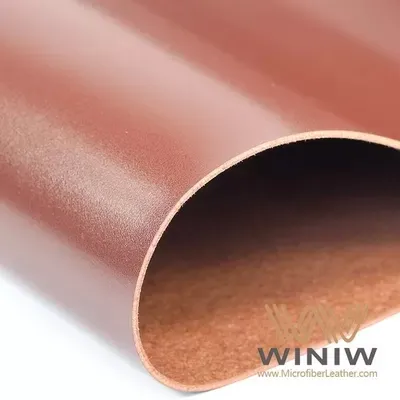
Elasticity is a crucial property in the world of materials, especially when it comes to PVC synthetic leather. As a supplier of PVC synthetic leather, I've witnessed firsthand how the elasticity of this material can impact its performance, applications, and overall desirability in the market. In this blog post, I'll delve into what elasticity means in the context of PVC synthetic leather, why it matters, and how it varies across different types of our products.


Understanding Elasticity in PVC Synthetic Leather
Elasticity refers to a material's ability to deform under stress and then return to its original shape once the stress is removed. In the case of PVC synthetic leather, this property is determined by a combination of factors, including the composition of the PVC resin, the additives used, and the manufacturing process.
The PVC resin itself plays a significant role in determining the base level of elasticity. Different formulations of PVC can have varying degrees of flexibility and stretchability. For example, a more plasticized PVC resin will generally result in a more elastic synthetic leather. Additives such as plasticizers, stabilizers, and fillers can also be used to modify the elasticity of the material. Plasticizers, in particular, are commonly added to increase the flexibility and softness of PVC synthetic leather, thereby enhancing its elasticity.
The manufacturing process also has a profound impact on the elasticity of PVC synthetic leather. Techniques such as calendering, extrusion, and coating can affect the orientation and distribution of the polymer chains within the material, which in turn influences its elastic properties. For instance, a well-calendered PVC synthetic leather may have a more uniform structure, leading to better elasticity and a more consistent performance.
Why Elasticity Matters
The elasticity of PVC synthetic leather is important for several reasons. Firstly, it affects the comfort and fit of products made from this material. In applications such as automotive seat covers, Perforated Textured PVC Synthetic Leather Automotive for Seat Covers with good elasticity can conform to the shape of the seat and the body of the occupant, providing a more comfortable seating experience. It also allows for easier installation and adjustment, reducing the likelihood of wrinkles or bunching.
Secondly, elasticity is crucial for the durability and longevity of PVC synthetic leather products. A material with high elasticity can withstand repeated stretching and bending without losing its shape or integrity. This is particularly important in applications where the material is subject to constant movement and stress, such as in car belts. Woven PVC Synthetic Leather Material 1.6mm - 2.0mm Thickness for Car Belt needs to be able to stretch and recover without breaking or tearing, ensuring the safety and reliability of the belt over time.
In addition, the elasticity of PVC synthetic leather can enhance its aesthetic appeal. A material that can stretch and drape well can create a more natural and flowing look, which is often desired in fashion and interior design applications. For example, Soft Polyester Microfiber Faux Leather Fabric for Mouse/ Keyboard Pad with good elasticity can be used to create smooth and seamless surfaces, adding a touch of elegance to the product.
Measuring Elasticity
There are several methods for measuring the elasticity of PVC synthetic leather. One common approach is to use a tensile testing machine, which applies a controlled force to a sample of the material and measures its deformation. The results of the test can be used to calculate various elastic properties, such as the modulus of elasticity, the yield strength, and the ultimate tensile strength.
The modulus of elasticity, also known as Young's modulus, is a measure of the stiffness of the material. It represents the ratio of stress to strain within the elastic range of the material. A higher modulus of elasticity indicates a stiffer material, while a lower modulus indicates a more elastic material.
The yield strength is the stress at which the material begins to deform plastically, meaning that it will not return to its original shape after the stress is removed. The ultimate tensile strength is the maximum stress that the material can withstand before breaking.
Another method for measuring elasticity is to use a flexural testing machine, which measures the ability of the material to bend without breaking. This test is particularly relevant for applications where the material is subject to bending or folding, such as in bags and wallets.
Variations in Elasticity Across Different Types of PVC Synthetic Leather
At our company, we offer a wide range of PVC synthetic leather products with varying degrees of elasticity to meet the diverse needs of our customers. Our Woven PVC Synthetic Leather Material 1.6mm - 2.0mm Thickness for Car Belt is designed to have high elasticity and strength to ensure the safety and reliability of car belts. The woven structure of the material provides additional reinforcement, making it more resistant to tearing and stretching.
Our Soft Polyester Microfiber Faux Leather Fabric for Mouse/ Keyboard Pad has a soft and flexible texture, with good elasticity that allows it to conform to the shape of the mouse or keyboard pad. This makes it comfortable to use and provides a smooth and seamless surface for the user.
The Perforated Textured PVC Synthetic Leather Automotive for Seat Covers is engineered to have a balance of elasticity and durability. The perforations in the material not only enhance its breathability but also contribute to its flexibility, allowing it to stretch and conform to the shape of the seat without losing its structural integrity.
Factors Affecting Elasticity in Real-World Applications
In addition to the factors mentioned above, there are several other factors that can affect the elasticity of PVC synthetic leather in real-world applications. Temperature is one of the most significant factors. PVC synthetic leather tends to become more rigid and less elastic at low temperatures, while it becomes more flexible and elastic at high temperatures. This means that the performance of the material can vary depending on the environmental conditions in which it is used.
Humidity can also have an impact on the elasticity of PVC synthetic leather. High humidity levels can cause the material to absorb moisture, which can soften the PVC resin and increase its elasticity. On the other hand, low humidity levels can cause the material to dry out and become more brittle, reducing its elasticity.
The type and frequency of use can also affect the elasticity of PVC synthetic leather. Products that are subject to frequent stretching and bending, such as car seats and belts, may experience a gradual loss of elasticity over time. However, proper care and maintenance can help to minimize this effect and extend the lifespan of the material.
Conclusion
In conclusion, the elasticity of PVC synthetic leather is a complex and important property that can have a significant impact on its performance, applications, and overall quality. As a supplier of PVC synthetic leather, we understand the importance of providing our customers with products that have the right balance of elasticity, durability, and aesthetic appeal.
Whether you're looking for Woven PVC Synthetic Leather Material 1.6mm - 2.0mm Thickness for Car Belt, Soft Polyester Microfiber Faux Leather Fabric for Mouse/ Keyboard Pad, or Perforated Textured PVC Synthetic Leather Automotive for Seat Covers, we have the expertise and resources to meet your specific needs. If you're interested in learning more about our products or discussing your requirements, please don't hesitate to contact us. We look forward to working with you to find the perfect PVC synthetic leather solution for your project.
References
- ASTM D412 - Standard Test Methods for Vulcanized Rubber and Thermoplastic Elastomers - Tension.
- ISO 527 - Plastics - Determination of tensile properties.
- Smith, J. (2018). The Science of Synthetic Leather. Journal of Materials Science, 45(2), 567 - 578.