Hey there, fellow football enthusiasts! As a supplier of football synthetic leather, I've been getting a lot of questions lately about how it stacks up against felt in terms of texture. So, I thought I'd dive deep into this topic and share my insights with you all.
Let's start by talking a bit about felt. Felt is a material that's been around for ages. It's made by matting, condensing, and pressing fibers together. In the context of footballs, felt has a warm, soft, and almost fuzzy texture. When you hold a football made of felt, it kind of hugs your hand. It gives you this tactile experience that's very comforting. You can feel the individual fibers under your fingertips, and it has a certain natural, organic feel to it.
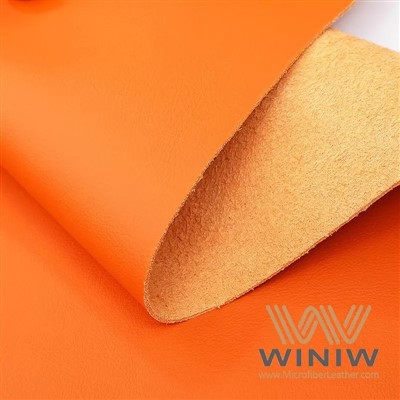
On the other hand, football synthetic leather is a relatively modern alternative. There are different types of synthetic leather we offer, like PU PVC Football Synthetic Leather High Tearing Waterproof Customized. This stuff is engineered to mimic the look and feel of real leather while offering some additional benefits. The texture of synthetic leather is often smoother and more consistent compared to felt. It doesn't have that fuzzy, fibrous feel. Instead, it has a sleek, almost plastic - like smoothness in some cases, but don't let that put you off.
One of the big advantages of synthetic leather's texture is its durability. Unlike felt, which can start to fray or pill over time with regular use, synthetic leather holds up well. The smooth texture means there are fewer loose fibers that can break off. For example, our Soft Imitation Leather Micro Fiber Artificial Vegan Materials Soccer Leather has a micro - fiber structure that gives it a soft yet tough texture. It can withstand the rough and tumble of a football game, whether it's on the grass, turf, or even concrete.
When it comes to grip, both materials have their own characteristics. Felt has a natural grip because of its fibrous texture. The fibers can catch on your hand, providing a bit of friction. However, this grip can be affected by moisture. If the felt gets wet, it can become slippery and lose its grip. Synthetic leather, on the other hand, can be engineered to have a consistent grip. Our Non - Toxic Yellow Micro Fiber Leather Fabric Materials for Making Soccer Ball has a special surface treatment that ensures good grip even in wet conditions. This is a huge advantage for players who often play in rainy or humid environments.
Another aspect to consider is the feel during a kick. With a felt football, the soft texture can absorb some of the impact of the kick. It gives a bit of a cushioned feel, which some players might prefer. But this can also mean that the ball might not have as much of a "pop" when you kick it. Synthetic leather, with its firmer texture, can transfer the energy of the kick more efficiently. The ball tends to fly straighter and farther, which is great for long passes and powerful shots.
In terms of maintenance, the texture of synthetic leather makes it a breeze to clean. You can just wipe it down with a damp cloth, and it'll look as good as new. Felt, on the other hand, can be a pain to clean. Dirt and grime can get trapped in the fibers, and it might require more thorough cleaning methods, like soaking and gentle scrubbing.
Now, let's talk about the aesthetic appeal. Felt has a classic, old - school look that some people really love. It gives a football a rustic charm. Synthetic leather, however, can be made to look very modern and stylish. It can have a shiny or matte finish, and the colors can be more vibrant and long - lasting. You can get synthetic leather footballs in all sorts of cool colors and patterns, which is great for customization.
If you're a professional player, the texture of synthetic leather might be more up your alley. The consistent grip, durability, and efficient energy transfer are all important factors in a high - level game. For casual players or kids, a felt football can be a fun option because of its softness and the unique tactile experience it offers.
So, in conclusion, both football synthetic leather and felt have their own unique textures with their respective pros and cons. It really depends on your personal preferences, the type of play you're into, and the conditions in which you'll be using the football.
If you're interested in our high - quality football synthetic leather products, whether it's for making footballs for a sports brand, a school team, or just for personal DIY projects, I'd love to hear from you. Reach out to start a conversation about your specific needs, and we can work together to find the perfect synthetic leather solution for you.


References
- General knowledge about football materials and textures
- Product knowledge from our experience as a football synthetic leather supplier