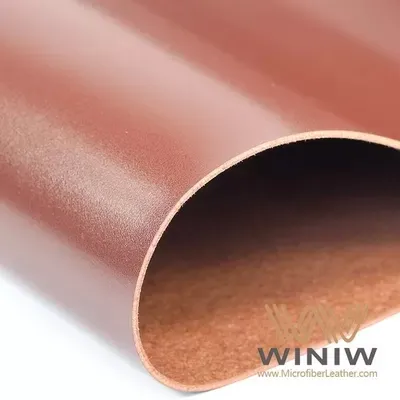
Vegan leather has emerged as a popular alternative to traditional animal leather in recent years, driven by ethical concerns, environmental awareness, and the desire for sustainable fashion. As a leading supplier of vegan leather bags, I am often asked about the materials used to create these innovative products. In this blog post, I will explore the various materials commonly used in the production of vegan leather bags, highlighting their unique properties, benefits, and applications.
Polyurethane (PU) Leather
Polyurethane, or PU, leather is one of the most widely used materials in the vegan leather industry. It is a synthetic material that mimics the look and feel of real leather. PU leather is made by applying a layer of polyurethane coating to a base fabric, typically polyester or cotton. This coating gives the material a smooth, leather-like finish and provides durability and resistance to wear and tear.
One of the key advantages of PU leather is its versatility. It can be manufactured in a wide range of textures, colors, and finishes, allowing designers to create bags that closely resemble genuine leather. PU leather is also relatively easy to clean and maintain, making it a practical choice for everyday use. Additionally, it is often more affordable than real leather, making it accessible to a wider range of consumers.
However, it's important to note that not all PU leather is created equal. Some lower-quality PU leathers may have a plastic-like appearance or feel, and they may not be as durable as higher-quality alternatives. As a supplier, we take great care to source high-quality PU leather that meets our strict standards for quality and performance. Our Animal Rights Tartan Check 2mm Faux Leather for Furniture Faux Patent Leather Fabric is a prime example of our commitment to providing premium vegan leather materials. This unique fabric features a tartan check pattern and a patent leather finish, making it perfect for creating stylish and eye-catching bags.
Polyvinyl Chloride (PVC) Leather
Polyvinyl chloride, or PVC, leather is another common material used in the production of vegan leather bags. Like PU leather, PVC leather is a synthetic material that is designed to imitate the look and feel of real leather. It is made by coating a base fabric with a layer of PVC, which is then embossed or printed to create a leather-like texture.


PVC leather is known for its durability and water resistance, making it a popular choice for bags that need to withstand harsh conditions. It is also available in a wide range of colors and finishes, allowing for endless design possibilities. However, PVC leather has some drawbacks. It is often less breathable than other materials, which can make it uncomfortable to use in hot weather. Additionally, PVC is a type of plastic that is derived from fossil fuels, and its production can have a significant environmental impact.
To address these concerns, many manufacturers are now producing PVC-free vegan leather alternatives. These materials are typically made from more sustainable and eco-friendly materials, such as recycled plastics or plant-based fibers. At our company, we are committed to offering a range of PVC-free vegan leather options to meet the needs of our environmentally conscious customers.
Microfiber Leather
Microfiber leather is a type of synthetic leather that is made from ultra-fine fibers. These fibers are typically made from polyester or nylon and are woven together to create a soft, durable, and leather-like material. Microfiber leather is known for its high strength, abrasion resistance, and water repellency, making it an excellent choice for bags that need to withstand heavy use.
One of the key advantages of microfiber leather is its breathability. Unlike some other synthetic materials, microfiber leather allows air to circulate, which helps to keep the bag and its contents dry and comfortable. It is also relatively lightweight, making it a practical choice for travel and everyday use. Additionally, microfiber leather can be easily cleaned and maintained, and it is resistant to stains and odors.
Our Waterproof Microfiber Leatherette Leather Hand Bags Fabric Material is a prime example of the high-quality microfiber leather we offer. This waterproof fabric is perfect for creating stylish and functional handbags that can withstand the elements. It features a soft, luxurious feel and a leather-like texture, making it a popular choice among designers and consumers alike.
Plant-Based Leather
In recent years, there has been a growing interest in plant-based leather alternatives. These materials are made from natural plant fibers, such as pineapple leaves, cork, or apple peels, and they offer a more sustainable and environmentally friendly option compared to traditional synthetic materials.
Pineapple leather, also known as Piñatex, is one of the most well-known plant-based leather alternatives. It is made from the fibers of pineapple leaves, which are a byproduct of the pineapple industry. Piñatex has a similar texture and appearance to real leather, and it is highly durable and breathable. It is also biodegradable, making it a more sustainable choice for the environment.
Cork leather is another popular plant-based leather alternative. It is made from the bark of cork oak trees, which can be harvested without harming the tree. Cork leather is lightweight, water-resistant, and hypoallergenic, making it a great choice for bags and other accessories. It also has a unique texture and appearance that adds a touch of natural beauty to any design.
Apple leather is a relatively new plant-based leather alternative that is made from the waste produced during the apple juice and cider production process. It is a sustainable and eco-friendly material that has a soft, leather-like feel and a natural color. Apple leather is also biodegradable and compostable, making it a great choice for environmentally conscious consumers.
At our company, we are constantly exploring new and innovative plant-based leather materials to offer our customers. We believe that these materials have the potential to revolutionize the vegan leather industry and provide a more sustainable and ethical alternative to traditional leather.
Recycled Materials
In addition to plant-based materials, recycled materials are also becoming increasingly popular in the production of vegan leather bags. These materials are made from recycled plastics, rubber, or other waste materials, and they offer a more sustainable and environmentally friendly option compared to traditional virgin materials.
Recycled plastic bottles, for example, can be transformed into a high-quality vegan leather material. The bottles are first shredded and melted down, and then the resulting plastic is spun into fibers and woven into a fabric. This fabric can then be coated with a layer of polyurethane or other synthetic material to create a leather-like finish.
Recycled rubber is another material that is commonly used in the production of vegan leather bags. It is made from recycled tires or other rubber products, and it offers a durable and water-resistant alternative to traditional leather. Recycled rubber can be molded into a variety of shapes and textures, making it a versatile material for bag design.
Our Carbon Bags Vegan Leather 0.7mm Textured Embossed Leather Sheet for Car is made from recycled materials, offering a sustainable and stylish option for car interiors and other applications. This textured embossed leather sheet has a unique carbon fiber-like appearance, adding a modern and sophisticated touch to any design.
Conclusion
As the demand for vegan leather continues to grow, so does the variety of materials available for the production of vegan leather bags. From traditional synthetic materials like PU and PVC leather to innovative plant-based and recycled materials, there are now many options to choose from. Each material has its own unique properties, benefits, and applications, allowing designers to create bags that meet the diverse needs and preferences of consumers.
At our company, we are committed to providing high-quality vegan leather materials that are not only stylish and functional but also sustainable and ethical. We believe that by offering a wide range of materials and designs, we can help our customers make a positive impact on the environment and the lives of animals.
If you are interested in learning more about our vegan leather bags or would like to discuss a potential partnership, please feel free to contact us. We would be happy to answer any questions you may have and provide you with more information about our products and services.
References
- "The Ultimate Guide to Vegan Leather." Ethical Consumer, 2023.
- "Sustainable Materials for Fashion: A Review." Journal of Cleaner Production, 2022.
- "Plant-Based Leather Alternatives: A Sustainable Solution for the Fashion Industry." Fashion Practice, 2021.