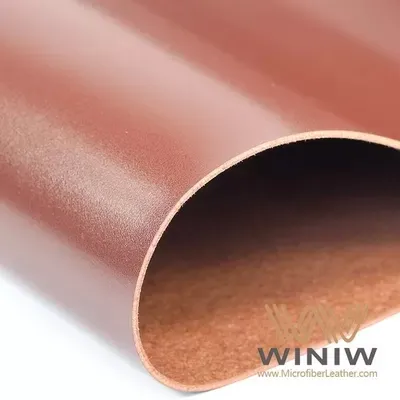
As a supplier of football synthetic leather, I've witnessed firsthand the evolution and significance of this material in the sports industry. In this blog, I'll delve into the chemical stability of football synthetic leather, exploring its importance, factors affecting it, and how it impacts the quality and performance of footballs.
Understanding Chemical Stability
Chemical stability refers to the ability of a material to resist chemical changes under various conditions. In the context of football synthetic leather, it means the material's ability to maintain its physical and chemical properties over time, even when exposed to factors such as heat, moisture, sunlight, and chemicals. A chemically stable synthetic leather will not degrade, discolor, or lose its mechanical properties easily, ensuring the longevity and performance of the football.
Importance of Chemical Stability in Football Synthetic Leather
- Durability: A football is subjected to a lot of wear and tear during games and practices. Chemically stable synthetic leather can withstand repeated impacts, abrasions, and stretching without breaking down. This durability ensures that the football maintains its shape and integrity, providing a consistent playing experience.
- Appearance: The appearance of a football is also important. Chemically stable synthetic leather resists fading, cracking, and peeling, keeping the football looking new for longer. This is especially crucial for professional and high - end footballs, where aesthetics play a significant role.
- Performance: The chemical stability of synthetic leather affects its physical properties, such as flexibility, elasticity, and grip. A stable material will maintain these properties over time, ensuring that the football performs well in terms of flight, bounce, and handling.
Factors Affecting the Chemical Stability of Football Synthetic Leather
1. Material Composition
- Polymer Type: Most football synthetic leathers are made from polymers such as polyurethane (PU) or polyvinyl chloride (PVC). PU is generally considered to have better chemical stability than PVC. It is more resistant to hydrolysis (breakdown by water), oxidation, and UV radiation. For example, Durable Soft Micro Fiber Synthetic Ball Leather Fabric Materials often use high - quality PU polymers, which contribute to their long - lasting performance.
- Additives: Additives are often incorporated into synthetic leather to enhance its properties. These can include antioxidants, UV stabilizers, and plasticizers. Antioxidants prevent the oxidation of the polymer, while UV stabilizers protect the material from the harmful effects of sunlight. Plasticizers improve the flexibility of the leather but can sometimes leach out over time, affecting the chemical stability.
2. Environmental Conditions
- Temperature: High temperatures can accelerate chemical reactions in synthetic leather, leading to degradation. For example, if a football is left in a hot car or under direct sunlight for an extended period, the heat can cause the polymer chains to break down, resulting in a loss of strength and flexibility. On the other hand, extremely low temperatures can make the leather brittle.
- Moisture: Moisture can also have a negative impact on the chemical stability of synthetic leather. Water can cause hydrolysis of the polymer, especially in PVC - based materials. Additionally, moisture can promote the growth of mold and mildew, which can further damage the leather.
- Sunlight: Ultraviolet (UV) radiation from the sun can break the chemical bonds in synthetic leather, causing it to fade, crack, and become brittle. UV stabilizers are often added to the material to protect it from these effects.
3. Manufacturing Processes
- Curing and Cross - Linking: The curing and cross - linking processes during manufacturing are crucial for the chemical stability of synthetic leather. Proper curing ensures that the polymer chains are fully formed and cross - linked, creating a strong and stable structure. Inadequate curing can lead to a less stable material that is more prone to degradation.
- Surface Treatment: Surface treatments can also affect the chemical stability of synthetic leather. For example, a protective coating can be applied to the surface to enhance its resistance to abrasion, chemicals, and UV radiation. However, if the coating is not properly applied or is of poor quality, it may not provide effective protection.
Assessing the Chemical Stability of Football Synthetic Leather
- Accelerated Aging Tests: These tests involve exposing the synthetic leather to harsh conditions, such as high temperatures, high humidity, and intense UV radiation, for a short period of time. By measuring the changes in the material's properties, such as tensile strength, elongation, and color, manufacturers can predict how the leather will perform over a longer period in normal use.
- Chemical Analysis: Techniques such as Fourier - transform infrared spectroscopy (FTIR) and differential scanning calorimetry (DSC) can be used to analyze the chemical composition and structure of the synthetic leather. These methods can detect changes in the polymer chains and the presence of additives, providing insights into the material's chemical stability.
Our Products and Chemical Stability
At our company, we are committed to providing high - quality football synthetic leather with excellent chemical stability. Our High Quality Of Chinese Origin Hot Selling Quality Synthetic Leather Volleyball Leather Material is carefully formulated using the latest polymer technologies and additives. We use advanced manufacturing processes to ensure proper curing and cross - linking, resulting in a durable and stable product.
Our Flexible Football Synthetic Leather Knitted Polyurethane Faux Leather Waterproof is designed to withstand a wide range of environmental conditions. It is resistant to heat, moisture, and UV radiation, making it suitable for both indoor and outdoor use. We also conduct rigorous quality control tests to ensure that our products meet the highest standards of chemical stability.
Conclusion
The chemical stability of football synthetic leather is a critical factor in determining the quality, durability, and performance of footballs. By understanding the factors that affect chemical stability and using advanced manufacturing processes and materials, we can produce synthetic leather that meets the demanding requirements of the sports industry.
If you are interested in our football synthetic leather products, we invite you to contact us for further information and to discuss your specific needs. Whether you are a football manufacturer, a sports equipment distributor, or an individual looking for high - quality footballs, we are here to provide you with the best solutions. Let's work together to create footballs that offer an exceptional playing experience.


References
- ASTM International. (20XX). Standard test methods for evaluating the durability of synthetic leather materials.
- Polymer Science and Technology Handbook. (20XX). A comprehensive guide to polymer properties and applications.