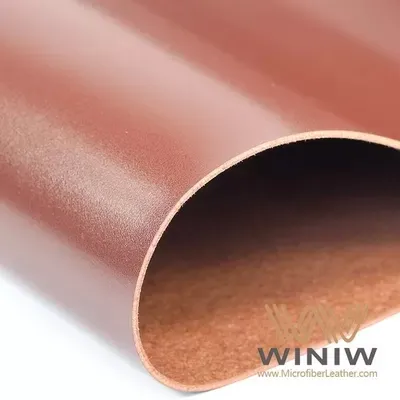
As a supplier of water-based leather, I'm well aware that while this innovative material has numerous advantages, it also comes with certain disadvantages. In this blog post, I'll delve into these drawbacks to provide a comprehensive understanding of water-based leather, enabling potential customers to make informed decisions.
1. Higher Initial Cost
One of the most significant disadvantages of water-based leather is its relatively high initial cost. The production process of water-based leather involves advanced technology and high - quality raw materials. Unlike traditional solvent - based leather, water - based leather production requires the use of specific water - soluble polymers and additives, which are often more expensive. These materials are designed to ensure good adhesion, flexibility, and environmental friendliness of the leather.
For example, in the automotive industry, the demand for high - quality interior materials is increasing. When car manufacturers choose water - based leather for their vehicles, such as the Lightweight Artificial Water Based Leather Fabric Automotive Leather, they need to bear a higher material cost compared to using traditional leather or some other synthetic materials. This higher cost can be a deterrent for some budget - conscious customers or industries that require large - scale material procurement.
2. Limited Heat Resistance
Water - based leather generally has limited heat resistance compared to some traditional leather types. The water - based polymers used in its production can be more sensitive to high temperatures. When exposed to extreme heat, the structure of water - based leather may start to break down, leading to issues such as cracking, discoloration, or a change in texture.


In hot climates or in applications where the leather is exposed to direct sunlight for long periods, such as in cars parked under the sun, the Premium Chemical Resistance Water Based Leather for Cars may show signs of heat damage over time. This is a concern for automotive manufacturers and consumers alike, as it can affect the aesthetics and durability of the leather interior.
3. Longer Drying Time
During the manufacturing process, water - based leather has a longer drying time compared to solvent - based leather. Since water has a higher boiling point than most solvents used in traditional leather production, it takes more time and energy to evaporate the water from the leather. This extended drying time can slow down the overall production process, increasing production costs and reducing efficiency.
For a water - based leather supplier, longer drying times mean that the production capacity is limited. It may take several hours or even days for a batch of water - based leather to dry completely, depending on the thickness and processing conditions. This can lead to longer lead times for customers who place orders, which may not be suitable for industries with tight production schedules.
4. Potential for Water Absorption
Although water - based leather is designed to be more environmentally friendly, it has a relatively higher potential for water absorption compared to some other types of leather. When water - based leather comes into contact with water, it can absorb the moisture, which may cause swelling, warping, or a change in the leather's physical properties.
In applications where the leather is likely to be exposed to water, such as in outdoor furniture or marine applications, the water absorption issue can be a significant drawback. For example, if a piece of furniture made with water - based leather gets wet, it may take a long time to dry, and there is a risk of mold growth if the leather is not properly dried. This can affect the long - term durability and functionality of the product.
5. Lower Abrasion Resistance in Some Cases
In certain situations, water - based leather may have lower abrasion resistance compared to traditional leather or some high - performance synthetic materials. The surface of water - based leather can be more prone to scratches and wear, especially in high - traffic areas or applications where there is a lot of friction.
For instance, in the automotive industry, the seats and door panels are constantly in contact with passengers' clothing and other objects. The Extraordinary Durability Water Based Leather Vinyl Leather for Car, while advertised for its durability, may still experience more visible abrasion over time compared to some traditional leather options. This can reduce the lifespan of the leather and may require more frequent replacement or maintenance.
6. Dependence on Additives
Water - based leather often relies on a variety of additives to achieve the desired properties, such as flexibility, colorfastness, and resistance to chemicals. These additives can sometimes cause problems. For example, some additives may react with other substances in the environment, leading to discoloration or a change in the leather's performance.
Moreover, the use of additives can also increase the complexity of the production process. If the quality control of these additives is not strict, it can lead to inconsistent product quality. For a water - based leather supplier, ensuring the proper use and quality of additives is a challenge that can affect customer satisfaction.
7. Color Fading
Over time, water - based leather may be more prone to color fading compared to some traditional leather types. The water - based dyes and pigments used in its production may not be as stable as those used in other materials. Exposure to sunlight, heat, and chemicals can cause the colors in the leather to fade, affecting the overall appearance of the product.
This is particularly important in industries where the aesthetic appeal of the leather is crucial, such as in the fashion and interior design industries. Customers expect their leather products to maintain their color and appearance over a long period. Color fading can make the product look old and worn out, reducing its market value.
Conclusion
Despite these disadvantages, water - based leather still has many advantages, such as its environmental friendliness, low volatile organic compound (VOC) emissions, and soft texture. As a water - based leather supplier, I believe that by being aware of these drawbacks, we can work with our customers to find solutions that minimize their impact.
If you are considering using water - based leather for your products, I encourage you to contact us for more information. We can discuss your specific requirements and help you determine if water - based leather is the right choice for your application. Our team of experts is ready to assist you in finding the best solutions to meet your needs. Whether it's for automotive interiors, furniture, or fashion products, we can provide high - quality water - based leather that balances performance and environmental considerations.
References
- "Leather Technology and Innovation" - A comprehensive book on leather production techniques and material properties.
- Industry reports on the development and application of water - based leather.
- Research papers on the environmental and performance aspects of water - based leather.