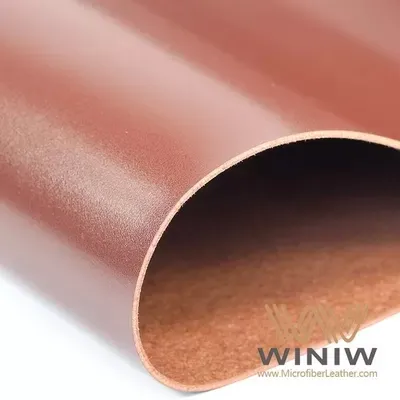
Hey there! As a supplier of PVC synthetic leather, I often get asked a bunch of questions, and one that pops up quite a bit is, "Is PVC synthetic leather heat-resistant?" Well, let's dive right into this topic and find out.
First off, let's understand what PVC synthetic leather is. PVC stands for polyvinyl chloride, which is a type of plastic. PVC synthetic leather is made by coating a fabric base with a layer of PVC. It's a popular alternative to real leather because it's cheaper, easier to maintain, and can be made in a wide variety of colors and textures. You can check out some of our products like Geotextile Stabilization Leather Fabric PVC Imitation Leather Embossed Synthetic Leather Fabric By The Roll, Waterproof PVC Vinyl Leather Beach Shoes Making Materials, and Microfiber Material Synthetic Leather Desk Protector Pad Waterproof Embossed.
Now, back to the heat resistance question. The heat resistance of PVC synthetic leather depends on a few factors. One of the main factors is the formulation of the PVC compound used in the manufacturing process. Different manufacturers use different formulations, and some are designed to be more heat-resistant than others.
Generally speaking, PVC synthetic leather has a limited heat resistance. Most PVC synthetic leather can withstand temperatures up to around 60 - 80 degrees Celsius (140 - 176 degrees Fahrenheit) for short periods without significant damage. However, if the temperature goes above this range or if it's exposed to high heat for an extended period, things can start to go wrong.
At higher temperatures, PVC synthetic leather can start to soften, deform, or even melt. This is because the PVC material begins to break down when it gets too hot. The plasticizers in the PVC, which are added to make the leather flexible, can also start to evaporate or migrate out of the material, causing the leather to become brittle and crack over time.
Another thing to consider is the type of application. In some applications, like indoor furniture or desk pads, the chances of the PVC synthetic leather being exposed to high heat are relatively low. So, the limited heat resistance might not be a big deal. For example, our Microfiber Material Synthetic Leather Desk Protector Pad Waterproof Embossed is designed for use on desks, where it's unlikely to encounter extreme heat.
However, in other applications, such as automotive interiors or outdoor products, heat resistance becomes a more critical factor. In a car, the interior can get really hot on a sunny day, and if the PVC synthetic leather used for the seats or dashboard isn't heat-resistant enough, it can quickly deteriorate. Similarly, outdoor products like beach shoes made from Waterproof PVC Vinyl Leather Beach Shoes Making Materials are exposed to sunlight and high temperatures, so they need to be able to handle the heat.
To improve the heat resistance of PVC synthetic leather, manufacturers can use special additives or treatments. For example, they can add heat stabilizers to the PVC compound to help prevent it from breaking down at high temperatures. They can also use a heat-resistant backing material or apply a heat-resistant coating to the surface of the leather.
But even with these improvements, it's important to remember that PVC synthetic leather is still not as heat-resistant as some other materials, like genuine leather or certain types of high-performance synthetics. So, if you're in a situation where your product will be exposed to very high temperatures on a regular basis, you might want to consider using a different material.
Now, let's talk about how you can tell if a PVC synthetic leather is heat-resistant. One way is to ask the supplier for technical data sheets or test reports. Reputable suppliers should be able to provide you with information about the heat resistance properties of their products, including the maximum temperature it can withstand and how it performs under different heat conditions.
You can also do some simple tests yourself. For example, you can take a small sample of the leather and expose it to a controlled heat source, like a hair dryer set on a low or medium heat setting. Observe how the leather behaves. If it starts to soften, deform, or emit a strange smell, it might not be very heat-resistant.


In conclusion, while PVC synthetic leather has some heat resistance, it's limited. The heat resistance depends on the formulation, the manufacturing process, and any additional treatments or additives. If you're planning to use PVC synthetic leather in an application where heat is a concern, make sure to choose a product that's suitable for the temperature conditions. And always ask your supplier for detailed information about the heat resistance of their products.
If you're interested in purchasing PVC synthetic leather for your project, I'd love to have a chat with you. Whether you need it for furniture, shoes, or any other application, we have a wide range of high-quality PVC synthetic leather products to choose from. Just reach out, and we can discuss your specific requirements and find the best solution for you.
References
- General knowledge about PVC synthetic leather manufacturing and properties
- Industry reports on the performance of PVC synthetic leather under different conditions