


As a supplier of Premium Chemical Resistance Water Based Leather for Cars, I've been deeply involved in the automotive interior materials industry for years. One question that often comes up in discussions with clients, industry peers, and environmental advocates is: "Is Premium Chemical Resistance Water Based Leather for Cars environmentally friendly?" In this blog, I'll delve into this topic, exploring the various aspects of this innovative material and its environmental impact.
Understanding Premium Chemical Resistance Water Based Leather for Cars
First, let's clarify what Premium Chemical Resistance Water Based Leather for Cars is. It is a type of artificial leather specifically designed for automotive interiors. This leather offers high chemical resistance, which means it can withstand exposure to various chemicals commonly found in cars, such as cleaning agents, oils, and sweat. The "water-based" aspect refers to the use of water as a solvent in the manufacturing process, as opposed to traditional solvent-based methods.
This type of leather is known for its durability, flexibility, and aesthetic appeal. It can mimic the look and feel of natural leather, providing a luxurious and comfortable interior for cars. For those interested in our product range, you can check out our Premium Chemical Resistance Water Based Leather for Cars on our website.
Environmental Advantages of Water Based Leather
One of the most significant environmental benefits of water based leather is its reduced use of harmful solvents. Traditional leather manufacturing often involves the use of volatile organic compounds (VOCs) as solvents. These VOCs can be released into the atmosphere during the production process, contributing to air pollution and posing health risks to workers and nearby communities. In contrast, water based leather uses water as the main solvent, significantly reducing the emission of VOCs.
Moreover, water based leather production generally consumes less energy compared to traditional leather manufacturing. The curing and drying processes of water based leather can be carried out at lower temperatures, which translates to lower energy consumption. This not only reduces the carbon footprint of the production process but also helps to conserve natural resources.
Another environmental advantage is the potential for recycling. Water based leather can be more easily recycled than some other types of artificial leather. At the end of its life cycle, it can be broken down and reused to create new products, reducing waste and promoting a circular economy. Our High Flexibility Artificial Water Based Leather Fabric for Car Interiors is an example of a product that can contribute to this recycling process.
Chemical Resistance and Environmental Impact
The chemical resistance feature of Premium Chemical Resistance Water Based Leather for Cars also has environmental implications. By being able to withstand exposure to various chemicals, this leather reduces the need for frequent replacement. This means less waste generated from discarded car interior materials. Additionally, it can reduce the use of chemical cleaning agents, as the leather is less likely to be damaged by normal cleaning processes.
However, it's important to note that the chemicals used to enhance the leather's resistance need to be carefully selected to ensure they are environmentally friendly. At our company, we are committed to using only non-toxic and sustainable chemicals in the production of our Chemical Resistance Water Based Leather Faux Leather Material for Car. We conduct extensive research and testing to ensure that our products meet the highest environmental standards.
Comparing with Natural Leather
When discussing the environmental friendliness of Premium Chemical Resistance Water Based Leather for Cars, it's inevitable to compare it with natural leather. Natural leather is derived from animal hides, which raises ethical and environmental concerns. The livestock industry is a significant contributor to greenhouse gas emissions, deforestation, and water pollution. The tanning process of natural leather also involves the use of large amounts of chemicals, many of which are harmful to the environment.
In contrast, water based leather offers a more sustainable alternative. It doesn't require the use of animal hides, reducing the environmental impact associated with the livestock industry. Additionally, as mentioned earlier, the production of water based leather is generally more energy-efficient and produces fewer emissions.
Challenges and Future Developments
While Premium Chemical Resistance Water Based Leather for Cars has many environmental advantages, there are still some challenges to overcome. One of the main challenges is the perception of artificial leather among consumers. Some people still prefer the look and feel of natural leather, and there is a common misconception that artificial leather is of lower quality. However, with continuous innovation and improvement, the quality of water based leather has been steadily increasing, and it can now offer a comparable experience to natural leather.
Another challenge is the cost. Currently, the production cost of water based leather is relatively high compared to some traditional materials. This can make it less accessible to some consumers and car manufacturers. However, as the demand for sustainable materials increases and production technology improves, we expect the cost to gradually decrease.

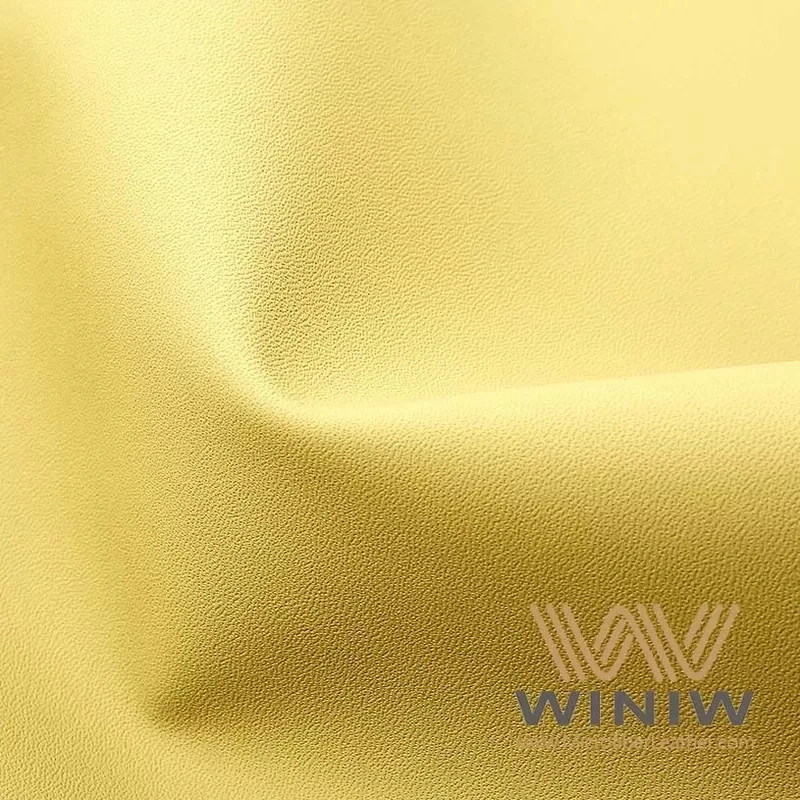
In the future, we are committed to further improving the environmental performance of our products. We will continue to invest in research and development to find more sustainable production methods and materials. We also aim to increase the awareness of the environmental benefits of water based leather among consumers and the automotive industry.
Conclusion
In conclusion, Premium Chemical Resistance Water Based Leather for Cars is a highly environmentally friendly option for automotive interiors. It offers significant advantages over traditional leather and other artificial materials in terms of reduced emissions, energy efficiency, and potential for recycling. While there are still some challenges to overcome, the future looks promising for this innovative material.
If you are interested in our Premium Chemical Resistance Water Based Leather for Cars or have any questions about our products, we encourage you to contact us for a procurement discussion. We are always happy to share our expertise and help you find the best solution for your automotive interior needs.
References
- EPA. (2023). Volatile Organic Compounds' Impact on Indoor Air Quality.
- UNEP. (2022). The Environmental Impact of the Livestock Industry.
- Leather Industries of America. (2023). Leather Manufacturing Processes.


