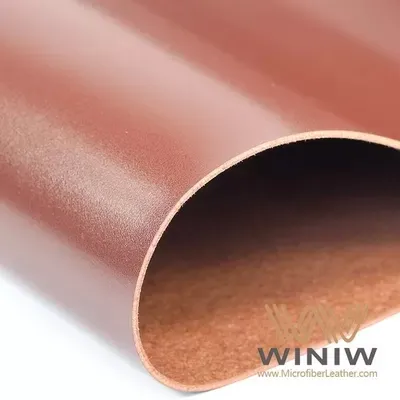
Synthetic leather fabric has become a popular alternative to natural leather due to its cost - effectiveness, versatility, and cruelty - free nature. As a synthetic leather fabric supplier, I understand the importance of maintaining the quality of our products. One of the most common issues that customers face is the cracking of synthetic leather fabric. In this blog, I'll share some effective ways to prevent synthetic leather fabric from cracking.


Understanding the Causes of Cracking
Before we delve into prevention methods, it's essential to understand what causes synthetic leather to crack. There are several factors at play:
- Environmental Conditions: Extreme temperatures, both hot and cold, can have a significant impact on synthetic leather. High heat can cause the material to dry out and become brittle, while cold temperatures can make it stiff and more prone to cracking. Exposure to direct sunlight for extended periods can also break down the chemical structure of the fabric, leading to cracks.
- Poor Quality Manufacturing: If the synthetic leather is not manufactured properly, it may have inherent weaknesses. Low - grade materials or improper bonding between layers can result in a fabric that is more likely to crack under normal use.
- Mechanical Stress: Frequent bending, folding, or stretching of the synthetic leather can cause stress on the material. Over time, this repeated stress can lead to the formation of cracks, especially in areas where the fabric is under the most pressure.
Prevention Methods
1. Proper Storage
Storing synthetic leather fabric correctly is crucial to prevent cracking. Here are some storage tips:
- Temperature and Humidity Control: Keep the fabric in an environment with stable temperature and humidity. Ideally, the temperature should be between 20 - 25°C (68 - 77°F), and the humidity should be around 40 - 60%. Avoid storing the fabric in attics, basements, or areas that are prone to extreme temperature fluctuations.
- Avoid Direct Sunlight: Sunlight can damage the synthetic leather over time. Store the fabric in a dark place or cover it with a light - blocking material. If you need to display the fabric, use curtains or blinds to filter the sunlight.
2. Regular Cleaning and Maintenance
Cleaning the synthetic leather fabric regularly can help maintain its integrity and prevent cracking:
- Use Mild Cleaners: Harsh chemicals can damage the synthetic leather. Instead, use a mild soap or a cleaner specifically designed for synthetic leather. Mix the cleaner with water and use a soft cloth to gently wipe the surface of the fabric.
- Avoid Abrasive Materials: When cleaning, avoid using abrasive sponges or brushes, as they can scratch the surface of the fabric and make it more susceptible to cracking.
- Conditioning: Apply a synthetic leather conditioner periodically. Conditioning helps to keep the fabric soft and supple, reducing the risk of cracking. Follow the manufacturer's instructions when applying the conditioner.
3. Handling with Care
Proper handling of synthetic leather fabric can significantly reduce the risk of cracking:
- Avoid Excessive Bending and Folding: When using products made from synthetic leather, such as bags or furniture, try to avoid excessive bending or folding. If you need to store a synthetic leather item, fold it gently along its natural creases.
- Use Padding: If the synthetic leather is used in areas where it may come into contact with hard surfaces, use padding to reduce the mechanical stress. For example, if you have a synthetic leather chair, place a cushion on it to prevent direct contact with your body.
4. Select High - Quality Products
As a synthetic leather fabric supplier, I always recommend choosing high - quality products. High - quality synthetic leather is more resistant to cracking and other forms of damage.
- Check the Material Composition: Look for synthetic leather that is made from high - grade materials. For example, our Wear - Resistant PU Materials Synthetic Vegan Leather for Ball is made from premium PU materials, which are known for their durability and resistance to cracking.
- Consider the Manufacturing Process: A well - manufactured synthetic leather will have a strong bond between its layers and a smooth surface. Our Anti Bacterial Recycled Fiber Vegan Fabrics for Training Soccer Balls is produced using advanced manufacturing techniques, ensuring its quality and durability.
5. Protect from Chemicals
Synthetic leather can be damaged by certain chemicals. Here are some ways to protect it:
- Avoid Contact with Solvents: Solvents such as alcohol, acetone, and gasoline can dissolve the synthetic leather. Keep the fabric away from these substances.
- Be Careful with Cleaning Products: Some cleaning products may contain chemicals that can damage the synthetic leather. Always test a small, inconspicuous area of the fabric before using a new cleaning product.
Additional Tips for Different Applications
Furniture
- Rotate Cushions: If you have synthetic leather furniture with cushions, rotate them regularly to distribute the wear evenly. This can prevent excessive stress on one area of the fabric, reducing the risk of cracking.
- Use Furniture Covers: When not in use, cover the synthetic leather furniture with a protective cover. This can shield it from dust, sunlight, and other environmental factors.
Bags and Accessories
- Avoid Overstuffing: Overstuffing a synthetic leather bag can put excessive pressure on the fabric, leading to cracking. Use the bag within its recommended capacity.
- Store Properly: When storing bags and accessories, stuff them with tissue paper or a soft cloth to help maintain their shape. This can prevent the fabric from creasing and cracking.
Automotive Interiors
- Park in the Shade: If your car has synthetic leather interiors, park it in the shade as much as possible. This can reduce the exposure to sunlight and high temperatures, which can cause the fabric to crack.
- Clean Regularly: Follow the manufacturer's recommendations for cleaning the synthetic leather in your car. Regular cleaning can remove dirt and grime that may damage the fabric over time.
Conclusion
Preventing synthetic leather fabric from cracking requires a combination of proper storage, regular cleaning and maintenance, careful handling, and the selection of high - quality products. As a synthetic leather fabric supplier, I am committed to providing our customers with the best - quality products and the knowledge to maintain them.
If you are interested in our synthetic leather fabric products, such as our 0.5mm Scratch - Resistant Imitation Leather Cover Material, or have any questions about preventing cracking, please feel free to contact us for a procurement discussion. We are here to help you find the perfect synthetic leather solution for your needs.
References
- "The Science of Synthetic Leather", Journal of Materials Science, Vol. 25, Issue 3
- "Best Practices for Maintaining Synthetic Leather", Leather Goods Magazine, 2022 Edition
- "Environmental Impact on Synthetic Leather Durability", Environmental Science Review, Vol. 12, Issue 1