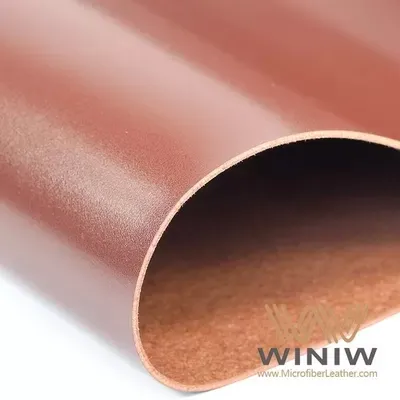
Yo, fellow leather enthusiasts! I'm a supplier of PU synthetic leather, and today, I wanna chat about a super important topic: how to improve the tear strength of PU synthetic leather.
Tear strength is a big deal when it comes to PU synthetic leather. It determines how well the leather can withstand tearing forces, which is crucial for products that need to be durable. Whether it's for making furniture, shoes, or even gift boxes, having good tear strength means your products are gonna last longer and perform better.
Understanding the Basics of Tear Strength
First things first, let's understand what tear strength actually is. Tear strength is the amount of force required to tear a material. In the case of PU synthetic leather, it's the force needed to start and propagate a tear through the leather. There are different ways to measure tear strength, but one common method is the Elmendorf tear test.
The tear strength of PU synthetic leather can be affected by a bunch of factors. The type of PU resin used, the base fabric, the manufacturing process, and even the environmental conditions during production can all play a role. For example, if the PU resin has a high molecular weight, it can generally provide better tear resistance.
Choosing the Right Raw Materials
One of the most important steps in improving tear strength is choosing the right raw materials.


PU Resin Selection
The PU resin is the heart of the synthetic leather. When selecting a PU resin, look for one with good mechanical properties. High - strength PU resins are usually formulated with specific additives and have a well - designed molecular structure. Some resins are specifically engineered to enhance tear resistance. For instance, there are PU resins that contain cross - linking agents. These agents form chemical bonds between the polymer chains, making the resin more resistant to tearing.
Base Fabric Considerations
The base fabric also matters a lot. A strong and stable base fabric can provide support to the PU layer. Fabrics like polyester or nylon with high thread counts are often good choices. Polyester fabrics are known for their high strength and dimensional stability. They can withstand a lot of stress without stretching or deforming easily. Nylon, on the other hand, has excellent abrasion resistance and high tenacity, which can also contribute to better tear strength in the final product.
Optimizing the Manufacturing Process
The manufacturing process has a huge impact on the tear strength of PU synthetic leather.
Coating Process
The way the PU resin is coated onto the base fabric is crucial. The coating thickness needs to be uniform. If the coating is too thin in some areas, those areas will be more prone to tearing. Using advanced coating techniques, such as knife - over - roll coating or gravure coating, can help ensure a consistent coating thickness.
During the coating process, the curing conditions also matter. Proper curing is necessary for the PU resin to form a strong and durable bond with the base fabric. If the curing temperature is too low or the curing time is too short, the resin may not fully cross - link, resulting in lower tear strength.
Post - Treatment Processes
Post - treatment processes can also enhance tear strength. For example, heat treatment can improve the crystallinity of the PU resin, which in turn increases its strength. Another post - treatment method is embossing. Embossing can not only give the leather a nice texture but also help to compact the structure of the leather, improving its tear resistance.
Quality Control and Testing
Quality control is essential throughout the production process. Regular testing of the tear strength of the PU synthetic leather samples is necessary. This can help identify any issues early on and allow for adjustments to be made to the manufacturing process.
There are different testing standards for tear strength, such as ASTM D1938 and ISO 34 - 1. By following these standards, you can ensure that your products meet the required quality levels.
Real - World Applications and Examples
Let's take a look at some real - world applications where high tear strength is crucial.
Gift Boxes
Gift boxes made from PU synthetic leather need to be durable enough to withstand handling during packaging, shipping, and opening. For example, our 0.4mm Moisture Resistance Pu Faux Leather for Customised Gift Boxes is designed with high tear strength in mind. It can resist tearing even when the boxes are being opened and closed multiple times.
Another great option for gift boxes is our 0.6mm No Odor Making Gifts Boxes Packaging Pu Microfiber Leather Material. This leather not only has no odor but also offers excellent tear resistance, making it perfect for high - end gift packaging.
Cosmetic Gift Boxes
Cosmetic gift boxes also require good tear strength. Our 0.6mm Environmental Friendliness Making Cosmetic Gift Box Vegan Leather is an environmentally friendly option that doesn't compromise on tear strength. It can protect the cosmetics inside the box and maintain its appearance even after long - term storage.
Conclusion
Improving the tear strength of PU synthetic leather is a multi - faceted process. It involves choosing the right raw materials, optimizing the manufacturing process, and implementing strict quality control measures. By paying attention to these aspects, we can produce high - quality PU synthetic leather that meets the needs of various industries.
If you're interested in our PU synthetic leather products or have any questions about improving tear strength, feel free to reach out. We're always happy to have a chat and discuss how we can meet your specific requirements. Let's work together to create amazing products with top - notch tear - resistant PU synthetic leather!
References
- ASTM International. (2023). ASTM D1938 - Standard Test Method for Tearing Strength of Leather.
- International Organization for Standardization. (2023). ISO 34 - 1:2015 Rubber, vulcanized or thermoplastic — Determination of tear strength — Part 1: Trouser, angle and crescent test pieces.