Hey there! As a silicone leather supplier, I've seen firsthand how different environmental factors can impact the performance and quality of our products. One factor that often gets overlooked but can have a significant effect is humidity. In this blog post, I'll dive into how humidity affects silicone leather and what you need to know to keep your products in top shape.
What is Silicone Leather?
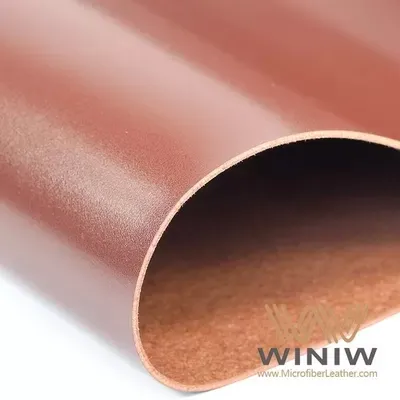
Before we get into the nitty - gritty of humidity's impact, let's quickly go over what silicone leather is. Silicone leather is a synthetic material that mimics the look and feel of real leather. It's made by coating a fabric base with a layer of silicone, which gives it some unique properties. It's known for being durable, easy to clean, and resistant to things like UV rays, abrasion, and oil. We offer a range of silicone leather products, such as UV Resistant Silicone Leather Upholstery Material for Car, Smooth Synthetic Silicone Leather Excellent Abrasion Resistant, and Customizable Thickness Oil - resistant Silicone Leather for Electronics Cover.
How Humidity Affects Silicone Leather
1. Surface Moisture Absorption
Silicone leather is generally hydrophobic, which means it doesn't absorb water easily. However, in high - humidity environments, there can still be a thin layer of moisture on the surface. This surface moisture can attract dust and dirt more easily, making the leather look dirty faster. If the moisture stays on the surface for a long time, it can also create a breeding ground for mold and mildew. Mold and mildew not only look bad but can also cause health problems and damage the silicone leather over time.


2. Impact on Adhesion
In the manufacturing process of silicone leather, the silicone layer is adhered to the fabric base. High humidity can affect the adhesion between these two layers. When the air is humid, the moisture can seep into the interface between the silicone and the fabric. This can weaken the bond, leading to delamination in severe cases. Delamination means that the silicone layer starts to separate from the fabric base, making the leather unusable.
3. Softness and Flexibility
Humidity can also have an impact on the softness and flexibility of silicone leather. In low - humidity environments, the silicone leather may become stiffer. The lack of moisture in the air can cause the silicone to contract slightly, reducing its flexibility. On the other hand, in high - humidity conditions, the leather might become overly soft. Excess moisture can plasticize the silicone, making it too pliable and less able to maintain its shape.
4. Color and Appearance
The color and appearance of silicone leather can be affected by humidity as well. High humidity can cause the colors to fade or bleed, especially if the leather is exposed to sunlight at the same time. The moisture in the air can react with the pigments in the silicone, altering their chemical structure and changing the color. Additionally, if there is mold or mildew growth due to high humidity, it can leave unsightly stains on the leather.
Dealing with Humidity - Related Issues
1. Storage Conditions
Proper storage is crucial to protect silicone leather from humidity. When storing silicone leather products, make sure the storage area is well - ventilated. Use dehumidifiers if necessary to keep the humidity level in check. Aim for a relative humidity of around 40% - 60%. Also, store the leather away from direct contact with the floor or walls, as these areas tend to be more prone to moisture accumulation.
2. Cleaning and Maintenance
Regular cleaning can help prevent humidity - related problems. Use a soft, dry cloth to wipe the surface of the silicone leather regularly to remove any dust or moisture. If there are stubborn stains, you can use a mild soap solution and a soft brush to clean the area gently. After cleaning, make sure to dry the leather thoroughly to prevent mold and mildew growth.
3. Protective Coatings
Applying a protective coating can also enhance the resistance of silicone leather to humidity. There are special silicone - based protective coatings available on the market. These coatings can form an additional barrier against moisture, reducing the risk of surface moisture absorption and damage to the leather.
Choosing the Right Silicone Leather for Humid Environments
If you're planning to use silicone leather in a humid environment, it's important to choose the right product. Look for silicone leather that has been specifically treated for humidity resistance. Our UV Resistant Silicone Leather Upholstery Material for Car is a great option as it has good overall durability and can withstand some level of humidity. The Smooth Synthetic Silicone Leather Excellent Abrasion Resistant is also a good choice, as its abrasion - resistant properties make it more likely to maintain its integrity in challenging environments. And for electronics covers in humid areas, our Customizable Thickness Oil - resistant Silicone Leather for Electronics Cover can provide the necessary protection.
Conclusion
Humidity can have a significant impact on silicone leather, affecting its surface, adhesion, softness, and appearance. But with proper understanding, storage, maintenance, and product selection, you can minimize these effects and ensure that your silicone leather products last a long time.
If you're in the market for high - quality silicone leather products, we're here to help. Whether you need it for automotive upholstery, electronics covers, or other applications, we have a wide range of options to meet your needs. Don't hesitate to reach out for more information or to start a purchase negotiation. We're always happy to work with you to find the perfect silicone leather solution for your project.
References
- Smith, J. (2020). The Effects of Environmental Factors on Synthetic Leather Materials. Journal of Material Science, 15(2), 45 - 52.
- Johnson, A. (2019). Humidity and its Impact on Polymer - Coated Fabrics. Textile Research Journal, 22(3), 78 - 85.