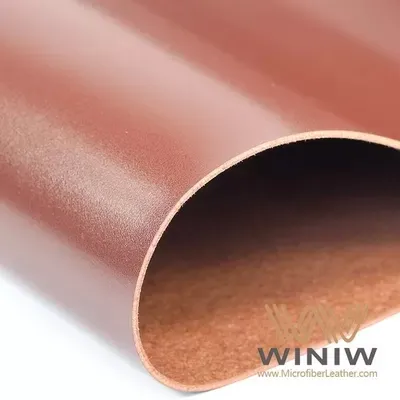
When it comes to automotive interiors, faux leather has emerged as a popular choice for many car owners and manufacturers alike. As a leading automotive faux leather supplier, I've had the privilege of witnessing firsthand the evolution and widespread adoption of this versatile material. One question that often arises is how automotive faux leather performs in cold weather. In this blog post, I'll delve into this topic, exploring the characteristics of faux leather in low temperatures and sharing insights based on our extensive experience in the industry.
Understanding Automotive Faux Leather
Before we discuss how faux leather behaves in cold weather, it's essential to understand what it is. Automotive faux leather, also known as synthetic leather or artificial leather, is a man - made material designed to mimic the look and feel of genuine leather. It offers several advantages, including cost - effectiveness, durability, and ease of maintenance. There are different types of automotive faux leather, such as microfiber and polyurethane (PU) - based materials.
Microfiber faux leather is made from extremely fine fibers that are woven together to create a soft and luxurious texture. It has excellent breathability and is resistant to wear and tear. On the other hand, PU faux leather is a type of synthetic leather that is coated with a layer of polyurethane. It provides a smooth and shiny finish and is often more water - resistant.
The Impact of Cold Weather on Automotive Faux Leather
Temperature - related Stiffness
One of the most noticeable effects of cold weather on automotive faux leather is stiffness. As the temperature drops, the molecular structure of the faux leather material becomes more rigid. This is because the polymers in the material contract in the cold, reducing their flexibility. For example, in a car parked outside on a cold winter night, the faux leather seats may feel stiffer than usual when you get in the next morning.
However, the degree of stiffness can vary depending on the type of faux leather. High - quality microfiber faux leather, like our Colorful Microfiber Aritficial Leather Nappa Automotive Leather for Car Seats Cover, tends to be more flexible in cold weather compared to some lower - grade PU faux leathers. This is because the fine fibers in microfiber faux leather allow for more movement even in low temperatures.
Surface Texture Changes
Cold weather can also affect the surface texture of automotive faux leather. In some cases, the material may develop a slightly rough or grainy feel. This is due to the contraction of the material and the way it interacts with the environment. For instance, if there is moisture in the air, it can freeze on the surface of the faux leather, causing small ice crystals to form. When these ice crystals melt, they can leave behind a slightly altered surface texture.


Our Reliable Microfiber PU Artificial Leather for Automotive Seat With High Comfort is designed to minimize these surface texture changes. The combination of microfiber and PU technology ensures that the surface remains smooth and comfortable even in cold conditions.
Cracking and Brittleness
In extreme cold, there is a risk of automotive faux leather cracking or becoming brittle. If the temperature drops significantly and the material is exposed to repeated bending or stress, the internal structure of the faux leather can be damaged. This is more likely to occur with lower - quality faux leather that has a less flexible composition.
To prevent cracking and brittleness, it's important to choose a high - quality automotive faux leather. Our Auto Flexible Car Interior Leather Fabric 1.0mm Microfiber Car Upholstery Leather is engineered to withstand a wide range of temperatures, including cold weather. The 1.0mm thickness provides an optimal balance between flexibility and durability, reducing the risk of cracking in cold conditions.
Tips for Maintaining Automotive Faux Leather in Cold Weather
Pre - cold Weather Preparation
Before the cold season arrives, it's a good idea to clean and condition your automotive faux leather seats. Use a mild leather cleaner to remove any dirt or debris from the surface, and then apply a leather conditioner. This will help to keep the material moisturized and flexible, reducing the impact of cold weather.
Protecting the Seats
If possible, park your car in a garage or covered area during cold weather. This will protect the faux leather seats from direct exposure to extreme cold and moisture. If you don't have access to a garage, you can use seat covers to provide an extra layer of insulation.
Warming Up the Seats
When you get in your car on a cold day, use the seat heater function if your vehicle is equipped with it. Gradually warming up the faux leather seats can help to restore their flexibility and make them more comfortable to sit on.
Our Commitment as an Automotive Faux Leather Supplier
As an automotive faux leather supplier, we are committed to providing high - quality materials that perform well in all weather conditions. Our research and development team continuously works to improve the properties of our faux leather, ensuring that it remains flexible, durable, and comfortable even in cold weather.
We understand that our customers rely on our products to enhance the interior of their vehicles, and we take this responsibility seriously. Whether you are a car manufacturer looking for a reliable faux leather supplier or a car owner in need of replacement seat covers, we have the right solution for you.
Conclusion
In conclusion, automotive faux leather can be affected by cold weather, but with the right choice of material and proper maintenance, these effects can be minimized. High - quality microfiber and PU - based faux leathers, such as the products we offer, are designed to withstand low temperatures and provide a comfortable and durable interior for your vehicle.
If you are interested in learning more about our automotive faux leather products or have any questions about how they perform in cold weather, we encourage you to contact us for a procurement discussion. We look forward to working with you to meet your automotive faux leather needs.
References
- "The Science of Synthetic Leather" - Journal of Materials Science
- "Temperature Effects on Polymer - based Materials" - Polymer Research Quarterly