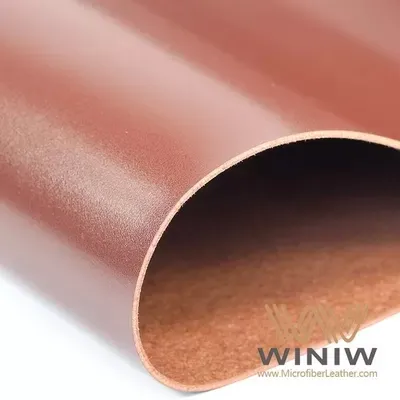
In the world of bookbinding, the choice of material for book covers is a crucial decision that combines both aesthetic and practical considerations. Microfiber faux leather has emerged as a popular alternative to traditional leather, offering a range of benefits that make it an attractive option for book covers. As a microfiber faux leather supplier, I am excited to explore the potential of using microfiber faux leather in the creation of book covers.
Characteristics of Microfiber Faux Leather
Microfiber faux leather is a synthetic material engineered to mimic the look and feel of genuine leather. It is typically made from a combination of polyester microfibers and polyurethane (PU) resin. This composition gives microfiber faux leather several advantageous properties that are well - suited for book covers.
One of the primary benefits of microfiber faux leather is its durability. Unlike natural leather, which can be prone to scratches, fading, and cracking over time, microfiber faux leather is highly resistant to wear and tear. It can withstand the rigors of daily handling, making it an ideal choice for books that are frequently used or stored on shelves.
Another significant advantage is its cost - effectiveness. Genuine leather can be expensive, especially high - quality varieties. In contrast, microfiber faux leather offers a more budget - friendly option without sacrificing too much in terms of appearance and quality. This makes it accessible for a wider range of bookbinding projects, from personal journals to commercial publications.
Microfiber faux leather also provides a high degree of customization. It can be manufactured in a variety of colors, textures, and finishes, allowing bookbinders to create unique and eye - catching book covers. Whether you prefer a smooth, glossy finish or a more textured, suede - like appearance, microfiber faux leather can be tailored to meet your specific design requirements. For instance, our Light Resistant Alcantara Suede Fabric Material for Display Stands offers a soft, luxurious texture that can add a touch of elegance to any book cover.
Practical Considerations for Book Covers
When considering using microfiber faux leather for book covers, there are several practical aspects to take into account.
1. Flexibility and Foldability
Book covers need to be flexible enough to allow the book to open and close smoothly without cracking or splitting. Microfiber faux leather has excellent flexibility, which enables it to conform to the shape of the book block. It can be easily folded and creased during the bookbinding process, ensuring a snug fit around the pages.
2. Adhesion
Proper adhesion is essential for a durable book cover. Microfiber faux leather can be effectively adhered to book boards using a variety of adhesives. The smooth surface of the material allows for a strong bond, preventing the cover from peeling or coming loose over time.
3. Resistance to Environmental Factors
Books are often exposed to various environmental conditions, such as sunlight, humidity, and temperature changes. Microfiber faux leather offers good resistance to these factors. It is less likely to fade when exposed to sunlight compared to some natural materials. Additionally, it is not as sensitive to moisture as genuine leather, which can prevent warping and mold growth. Our Antimicrobial Recycled PU Leather Material for Food Service Gloves showcases the material's ability to resist microbial growth, which can be beneficial for book covers in environments where hygiene is a concern.
Aesthetic Appeal
The aesthetic aspect of book covers is of great importance, as they are often the first thing that catches a reader's eye. Microfiber faux leather can enhance the visual appeal of a book in several ways.
1. Color and Finish
As mentioned earlier, microfiber faux leather comes in a wide range of colors. From classic neutrals like black, brown, and white to bold and vibrant hues, there is a color to suit every taste and design concept. The finish can also vary, from a matte finish that gives a sophisticated, understated look to a high - gloss finish that creates a more modern and eye - catching effect.
2. Texture
Texture adds depth and interest to book covers. Microfiber faux leather can be manufactured with different textures, such as a pebbled texture that mimics the look of natural leather or a smooth, silky texture for a more refined appearance. Our High Quality Microfiber Nubuck Leather 1.2mm - 2.0mm has a soft, nubuck - like texture that provides a luxurious tactile experience.
Sustainability
In today's environmentally conscious world, sustainability is an important consideration. Microfiber faux leather can be a more sustainable option compared to genuine leather. Many microfiber faux leathers are made from recycled materials, reducing the demand for new resources. Additionally, the manufacturing process of microfiber faux leather generally has a lower environmental impact than that of traditional leather, which involves the use of large amounts of water, chemicals, and energy.
Conclusion
In conclusion, microfiber faux leather is a viable and attractive option for book covers. Its durability, cost - effectiveness, customization options, practicality, aesthetic appeal, and sustainability make it a compelling choice for bookbinders and publishers alike. Whether you are creating a limited - edition art book or a mass - market novel, microfiber faux leather can help you achieve a high - quality, visually appealing book cover.
If you are interested in exploring the possibilities of using microfiber faux leather for your book covers, I encourage you to get in touch with us. We can provide you with samples, detailed product information, and guidance on choosing the right material for your specific project. Let's work together to create book covers that are both beautiful and functional.


References
- "The Art of Bookbinding" by Jane Smith
- "Materials in Book Production" by John Doe
- Industry reports on microfiber faux leather manufacturing and applications