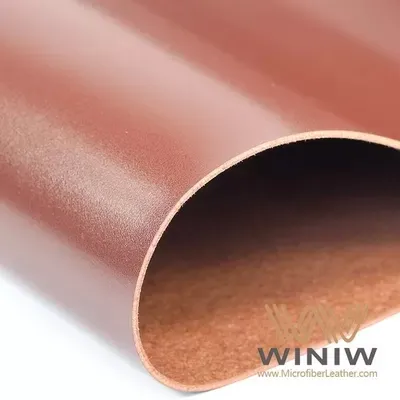
In the world of footwear, the choice of materials plays a pivotal role in determining the quality, comfort, and durability of shoes. Synthetic leather has emerged as a popular alternative to genuine leather due to its cost - effectiveness, versatility, and ethical considerations. As a supplier of shoes synthetic leather, I am often asked the question: "Are shoes made of synthetic leather durable?" In this blog post, I will delve into the science behind synthetic leather and explore its durability in the context of shoe manufacturing.
Understanding Synthetic Leather
Synthetic leather, also known as faux leather or artificial leather, is a man - made material designed to mimic the appearance and texture of genuine leather. There are different types of synthetic leather, including polyurethane (PU) leather and polyvinyl chloride (PVC) leather.
PU leather is made by applying a polyurethane coating to a base fabric. It is known for its softness, flexibility, and resemblance to genuine leather. PVC leather, on the other hand, is made by coating a fabric with polyvinyl chloride. It is generally more rigid and less breathable than PU leather but is also more affordable.
Factors Affecting the Durability of Synthetic Leather Shoes
Material Quality
The quality of the synthetic leather used in shoe manufacturing is a significant factor in determining durability. High - quality synthetic leather is made with better - grade polymers and a more sophisticated manufacturing process. For example, Antibacterial Mildew - Resistant Synthetic Microfiber Leather for Shoes Lining is designed with advanced technology to resist bacteria and mildew, which can significantly extend the lifespan of the shoe lining.
The thickness of the synthetic leather also matters. Thicker synthetic leather is generally more durable as it can withstand more wear and tear. However, it may also affect the flexibility and comfort of the shoes.
Manufacturing Process
The way synthetic leather is processed and incorporated into shoe production can impact its durability. A well - made synthetic leather shoe will have proper stitching, gluing, and finishing. For instance, if the stitching is loose or the glue used to attach the synthetic leather to the shoe structure is of poor quality, the shoe is more likely to fall apart over time.
In addition, the way the synthetic leather is treated during the manufacturing process can enhance its durability. Some synthetic leathers are treated with special coatings to improve their resistance to abrasion, water, and staining.
Usage and Maintenance
How the shoes are used and maintained also plays a crucial role in their durability. Shoes that are subjected to heavy use, such as those worn for sports or manual labor, will experience more wear and tear than those worn for casual occasions.
Proper maintenance can significantly extend the lifespan of synthetic leather shoes. Regular cleaning with a mild detergent and a soft cloth can remove dirt and stains that can damage the synthetic leather over time. Avoiding exposure to extreme heat, moisture, and sunlight can also prevent the synthetic leather from deteriorating.
Advantages of Synthetic Leather in Terms of Durability
Resistance to Environmental Factors
Synthetic leather is generally more resistant to environmental factors than genuine leather. It is less likely to be damaged by water, as it does not absorb moisture in the same way as genuine leather. This makes synthetic leather shoes a great choice for wet or humid environments.
For example, Sweat Absorbent Microfiber Shoe Lining From WINIW can effectively absorb sweat, preventing the build - up of moisture that can lead to the growth of bacteria and the deterioration of the shoe lining.
Uniformity and Consistency
Synthetic leather offers a high degree of uniformity and consistency in terms of quality and appearance. Unlike genuine leather, which can have natural variations in texture and strength, synthetic leather is manufactured under controlled conditions, ensuring that each piece has similar properties. This means that synthetic leather shoes are less likely to have weak spots that can cause premature failure.
Cost - Effective Durability
Synthetic leather is often more cost - effective than genuine leather. While high - end genuine leather shoes can be very durable, they also come with a high price tag. Synthetic leather shoes, on the other hand, can offer a good level of durability at a more affordable price. This makes them a popular choice for consumers who want durable shoes without breaking the bank.
Limitations of Synthetic Leather in Terms of Durability
Abrasion Resistance
Although synthetic leather has improved significantly in terms of abrasion resistance, it may still not be as durable as genuine leather in high - abrasion areas. For example, the soles and heels of shoes are often subjected to a lot of friction, and synthetic leather in these areas may wear out more quickly than genuine leather.
Long - Term Aging
Over time, synthetic leather may show signs of aging more quickly than genuine leather. It may become brittle, crack, or lose its color. However, this can be mitigated by using high - quality synthetic leather and proper maintenance.
Real - World Examples of Durable Synthetic Leather Shoes
There are many examples of synthetic leather shoes that have proven to be durable in real - world use. For instance, many sports shoes are now made with synthetic leather due to its lightweight, breathable, and durable properties. These shoes can withstand the rigors of intense physical activity and still maintain their shape and functionality.
In the fashion industry, synthetic leather shoes are also becoming increasingly popular. High Quality Synthetic Nubuck Leather for Shoes Upper is used to create stylish and durable shoe uppers that can last for several seasons with proper care.
Conclusion
In conclusion, shoes made of synthetic leather can be durable, but it depends on several factors, including the quality of the material, the manufacturing process, and how the shoes are used and maintained. Synthetic leather offers many advantages in terms of durability, such as resistance to environmental factors, uniformity, and cost - effectiveness. However, it also has some limitations, such as lower abrasion resistance and potential long - term aging issues.

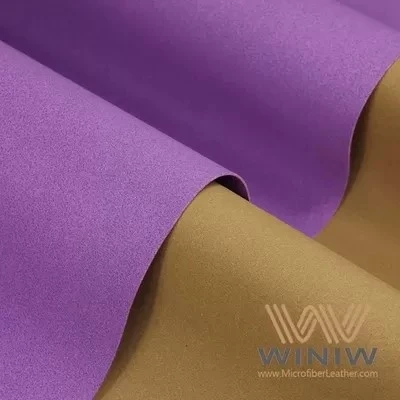
As a supplier of shoes synthetic leather, I am committed to providing high - quality products that meet the durability requirements of our customers. If you are interested in purchasing synthetic leather for your shoe manufacturing needs, I encourage you to contact us for a detailed discussion. We can provide you with samples and technical specifications to help you make an informed decision.
References
- Smith, J. (2020). The Science of Synthetic Materials in Footwear. Journal of Footwear Technology, 15(2), 45 - 56.
- Johnson, A. (2019). Comparing the Durability of Synthetic and Genuine Leather in Shoes. Leather Research Quarterly, 22(3), 78 - 89.
- Brown, C. (2021). Maintenance Tips for Synthetic Leather Shoes. Footwear Care Magazine, 30(1), 12 - 18.